
Every year, businesses across New Zealand spend real money on branded apparel and end up with polo shirts that pill quickly or beanies that come back from the embroiderer noticeably off from the logo colour. The problem isn’t budget. It’s knowing what to ask for before you commit to a bulk order, specifically, gaps around fabric GSM, decoration minimums, and lead times that catch buyers off guard. So, what is the best branded apparel for New Zealand businesses? The answer depends on your context, your team, and how you plan.
Branded clothing isn’t just a uniform decision. It’s a cultural statement about your business, your team, and the impression you leave with clients and customers. Withers & Co. has spent over two decades helping New Zealand businesses get their branded apparel right, treating every brief as a strategic exercise rather than a catalogue transaction. That framing shapes everything that follows in this guide: from choosing the right garment categories, to reading a fabric spec sheet, to placing a bulk order without nasty surprises at delivery.
The apparel categories that work hardest for NZ businesses
Branded apparel isn’t one thing. It’s a family of product types, each suited to different purposes, budgets, and wear occasions. Choosing the right categories before you brief a supplier saves you from ordering the wrong garment entirely, a common and costly mistake with bulk branded workwear in NZ.
Polos and work shirts: the everyday foundation
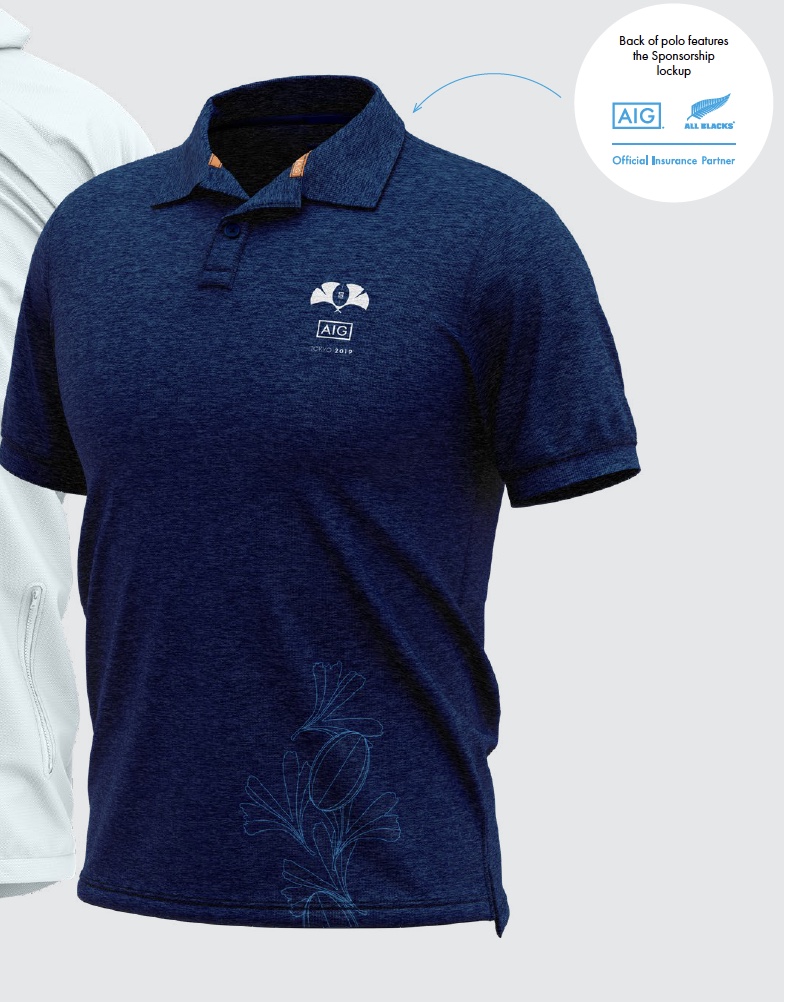
Polos remain the default for most NZ businesses across hospitality, trades, corporate, and events. The sub-types matter: cotton piqué suits smart-casual environments where breathability and a polished look count; poly-cotton blends hold up better in physical roles where durability and colour-fastness are priorities; and performance polos in moisture-wicking polyester serve outdoor and active settings. Work shirts (button-up) carry a more formal register and suit client-facing roles where staff presentation is non-negotiable.
For fabric weight, aim for a minimum of 220 GSM for any trade or outdoor application. Lighter polos at 180, 200 GSM suit warm-weather or office environments but won’t hold their structure through a demanding workday in the field.
Fleeces, hoodies, and outerwear: the layering essentials
Midlayer branded clothing often gets more daily wear than a polo, especially in NZ winters. People reach for a branded fleece constantly, which means your logo travels far beyond the workplace. Corporate-grade bonded fleeces look sharp in client-facing settings, while casual hoodies work well for team culture and event merch. Soft-shell and puffer jackets suit outdoor roles where weather protection matters as much as brand visibility.
Budget expectations jump significantly at this category. Branded hoodies typically sit around NZD $50, $65 per unit at 50 pieces, dropping to $40, $50 at 500 units. Factor that into your planning rather than discovering it mid-brief.
Caps, beanies, and tote bags: smaller items, outsized visibility
Accessories punch above their weight in a branded apparel strategy. Caps and beanies are high-visibility items that leave the workplace, get worn on weekends, and generate impressions your polos never will. Tote bags double as promotional tools every time they’re taken grocery shopping or to the beach. Beanies are especially relevant as NZ winter merchandise, often ordered alongside fleeces for Q3 campaigns. A quality embroidered beanie can deliver strong visibility through the cooler months, making it a worthwhile addition if you’re considering a single branded accessory this season.
Why fabric quality makes or breaks your branded clothing
Most buyers focus on the logo. Experienced buyers focus on the garment first. Fabric quality determines how long clothing looks good, how staff feel wearing it, and whether your brand appears polished or patchy after a few months of regular wear.
GSM, cotton, and poly-cotton: reading the spec sheet
GSM (grams per square metre) is the key indicator of fabric weight and durability. Polos at 180, 200 GSM suit warm-weather or smart-casual use, while 220 GSM and above holds shape better over repeated wear and washing. For trade and outdoor roles, 220, 240 GSM is the practical minimum. In terms of fibre composition: 100% cotton is breathable and has a natural feel but can shrink; poly-cotton blends are more durable, colour-fast, and lower cost; and 100% polyester is ideal for performance, hi-vis, and moisture-wicking applications.
The most popular brands used by NZ uniform suppliers each occupy a distinct niche. Biz Collection suits corporate and hospitality environments with tailored fit and shape retention. JB’s Wear and Bisley are the go-to choices for trade durability. AS Colour is the premium blank of choice for retail-quality branded apparel where fabric feel and printability matter most.
Merino wool and recycled polyester: the sustainability options
Merino wool carries a genuine brand story for NZ businesses. It’s renewable, biodegradable, naturally temperature-regulating, and a strong fit for premium corporate gifting or quality winter apparel. Recycled polyester (rPET), made from PET bottles, suits durability-focused roles like hi-vis and outdoor workwear while diverting plastic waste from landfill. NZ brands like LOOP Workwear and Arrow Uniforms are producing sustainable workwear locally using these materials.
When evaluating sustainability claims, look for specific certifications rather than vague marketing language. GRS (Global Recycled Standard) verifies recycled content claims. GOTS (Global Organic Textile Standard) covers organic cotton through the full supply chain. OEKO-TEX Standard 100 confirms garments are free from harmful substances. These certifications matter if your brand is making sustainability commitments to clients or stakeholders.
Decoration methods: choosing the right finish for your brand
The decoration method affects how your logo looks on day one and day five hundred. It also has a direct impact on per-unit cost and minimum order quantities. Understanding the four main methods lets you brief corporate apparel NZ suppliers with confidence and avoid overpaying.
Embroidery vs. screen printing: the two workhorses
Embroidery produces a premium, durable finish suited to polos, caps, and corporate jackets. The stitches last the garment’s lifetime, convey professionalism, and never peel or crack. Pricing is driven by stitch count: a typical left-chest logo runs 4,000, 10,000 stitches, with NZ providers charging a base rate (around $8.00 for the first 7,000 stitches) plus an incremental fee per additional thousand. Keep your logo clean and simple to control stitch count and cost. Embroidered shirts are a particularly common choice for corporate and trade businesses across NZ.
Screen printing delivers vibrant, cost-effective coverage for larger logos on tote bags, hoodies, and event tees. Setup costs are front-loaded, charged per screen and per colour, which makes it uneconomical under roughly 20 units. At volume, it becomes the cheapest decoration method available. If you’re running a two-colour chest print on 100 tees, screen printing is almost always the right call.
DTG and heat transfers: when smaller runs make sense
Direct-to-garment (DTG) printing suits full-colour or photographic artwork on small runs. It performs best on high-cotton or 100% cotton garments and costs more per unit at scale, but it eliminates screen setup costs entirely. Heat transfers, including vinyl, DTF, and silicone variants, suit fast-turnaround jobs and one-off personalisation such as names, numbers, or event-specific text. Silicone transfers work particularly well on technical activewear where embroidery is too heavy and screen printing can’t adhere cleanly.
The cost hierarchy is straightforward: embroidery costs the most per garment regardless of quantity due to machine time and stitch count; screen printing is cheapest at bulk; DTG and heat transfers are most economical for short runs. Logo complexity drives pricing across every method, so a simple, well-designed mark will always cost less to decorate than a detailed multicolour crest.
What is the best branded apparel for New Zealand businesses? Pricing, MOQs, and lead times
Commercial buyers need numbers, so here’s a grounded picture of what bulk branded apparel costs in New Zealand in 2026, including the variables most buyers don’t account for upfront.
Branded polos typically range from NZD $18, $26 per unit at 50 pieces and $13, $22 at 500 pieces for the garment alone. Many advertised “from” prices exclude GST and logo decoration: embroidery or screen printing typically adds $3, $8 per item on top of the garment cost, so always clarify what’s included before comparing suppliers. Hoodies sit around $50, $65 at 50 units and drop to $40, $50 at 500. Work shirts run $35, $48 at 50 units. Always clarify whether a quoted price is GST-inclusive before committing.
On minimum order quantities: local decoration on blank garments starts at 10, 24 units, which suits smaller teams and short-run event merch. Custom cut-and-sew typically requires 50, 150 pieces per style. Offshore bulk production for fully custom garments starts at 300, 1,000 units. For lead times, local decoration runs 5, 10 working days after artwork approval. Offshore production adds 30, 45 days plus freight. Build in buffer time for peak seasons. Christmas orders placed in October arrive on time. Orders placed in late November frequently don’t.
Seasonal planning so you’re never caught short
NZ has distinct seasonal rhythms that directly affect which branded apparel performs best and when to order it. Most businesses get caught out because they start thinking about winter clothing in June or Christmas merch in November, both too late.
Map out the NZ apparel year with this logic. Q1 and Q2 are the time to order summer stock (polos, caps, lightweight tees, tote bags) and begin planning ahead for winter layering. Q3 is beanie, fleece, and hoodie season: orders should be placed by May or June at the latest. Q4 drives Christmas corporate gifting and event merch, with September or October being the safe window for custom decorated apparel. Since we’re currently in mid-July 2026, this is the right time to lock in your Q4 Christmas apparel orders before supplier capacity tightens.
Think in terms of a cohesive branded wardrobe rather than one-off garments. A polo-plus-beanie bundle works across seasons and makes an excellent staff onboarding kit. A quality merino beanie or branded fleece as a client gift in winter gets worn repeatedly and noticed widely. That kind of planning turns your apparel spend into sustained brand visibility rather than a single impression.
Choosing a supplier who actually gets your brand
Not all branded apparel suppliers operate the same way. The difference between a transactional catalogue supplier and a creative agency partner shows up at the brief stage, long before anything is printed or embroidered.
A standard supplier fills orders. A merch agency helps you figure out what to order and why. That distinction matters when you’re choosing promotional clothing to represent your company culture rather than just outfit your team. Withers & Co. operates on the agency-led model: they work from client briefs to recommend garments, decoration methods, and quantities that reflect the business’s identity rather than just what’s available in the catalogue. Their long-standing presence in the NZ market means faster turnarounds, fewer surprises at delivery, and genuine accountability when things need to move quickly.
Before you place a bulk order with any supplier, get clear answers to these questions:
- What are your MOQs for this decoration method?
- Can I see a decorated sample before the full run?
- Are prices GST-inclusive?
- What’s the lead time to receive by my required date?
- Do you offer NZ-made or sustainably certified options?
Getting clear answers upfront helps you avoid the most common mid-order problems: wrong colour delivery, missed deadlines, and decoration that doesn’t match your brand. A supplier who hesitates on any of these questions is telling you something important about how the rest of the process will go.
Getting your branded apparel order right from the start
The best branded apparel for a NZ business isn’t the cheapest option or the most premium. It’s the garment your team actually wears, your clients actually notice, and your brand looks good in twelve months from now. That outcome depends on choosing the right apparel categories for your context, selecting fabric quality that holds up to daily wear, matching the decoration method to your logo and order size, and planning ahead for seasonal demand.
If you want to know what is the best branded apparel for New Zealand businesses in your specific context, the most reliable starting point is a proper brief, one that accounts for garment, decoration, quantity, and timing together rather than just the logo on a polo. Working with a supplier who approaches that brief as a creative exercise, not a transaction, tends to produce better outcomes: fewer remakes, stronger staff uptake, and apparel that actually represents the brand. Withers & Co. has built its reputation on exactly that approach. If you’re ready to brief your next apparel order or want a second opinion on what will actually work for your team and budget, they’re worth a conversation, contact Withers & Co. today.

